If you’re considering a new garbage disposal or want to get the most out of your current one, this guide will help you make smart choices and support long-term performance. Be sure to also read our earlier post, “6 Warning Signs You Need Garbage Disposal Repair.”
Understanding Disposal Types & Power Levels
When selecting a unit, two major factors matter:
Feed Type
- Continuous-feed: The most common variant. You switch it on and off while running water.
- Batch-feed: Only works when a cover or stopper is placed—adds an extra safety layer.
Motor Power (Horsepower)
- ⅓ HP – Suited for basic kitchens or light usage
- ½ HP – Good for small to medium households
- ¾ HP – More robust for larger families and frequent use
- 1 HP and above – Heavy-duty garbage demand, tougher waste
Larger motors make fewer clogs and handle tougher scraps more easily.
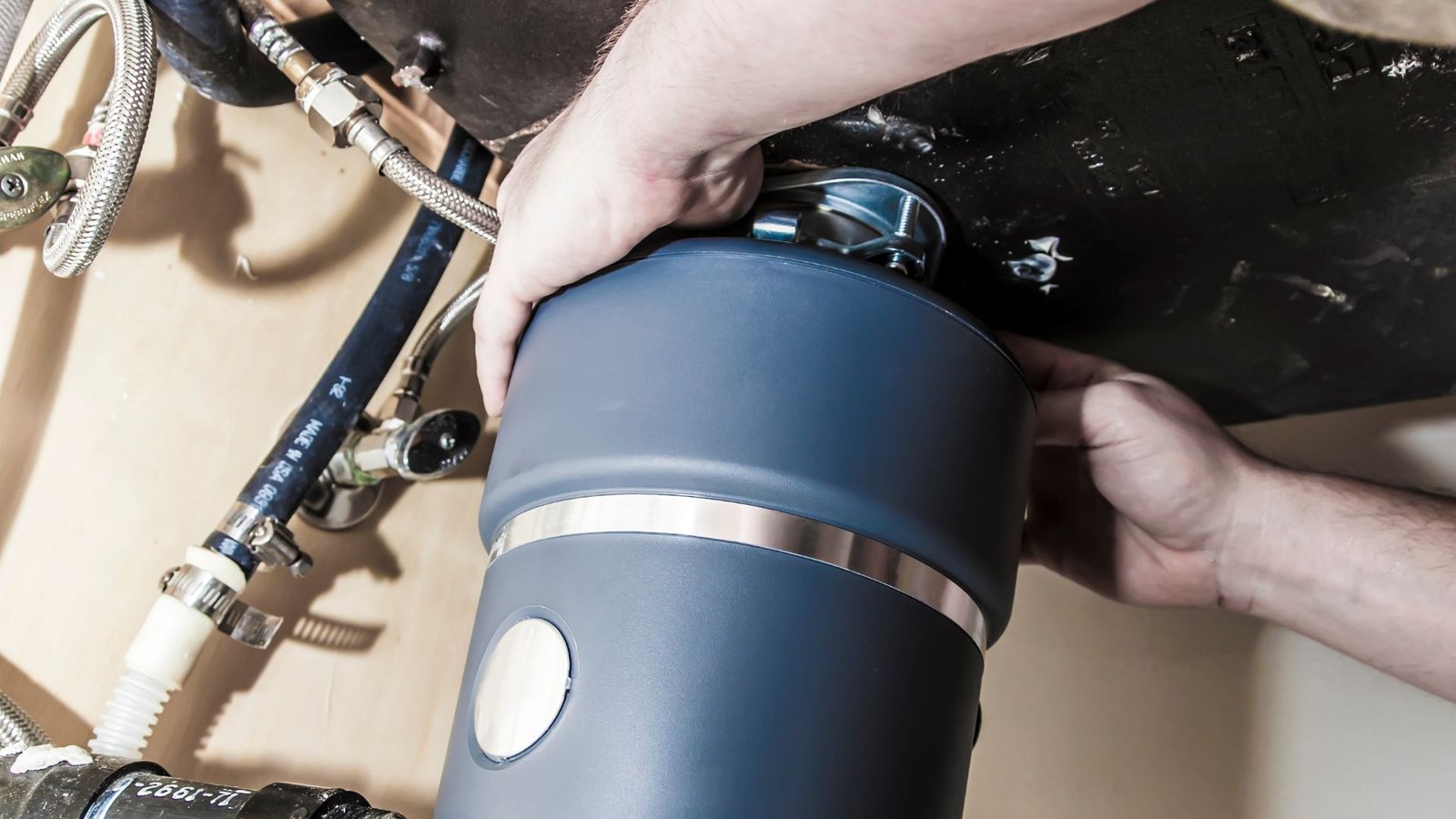
What to Watch for During Installation
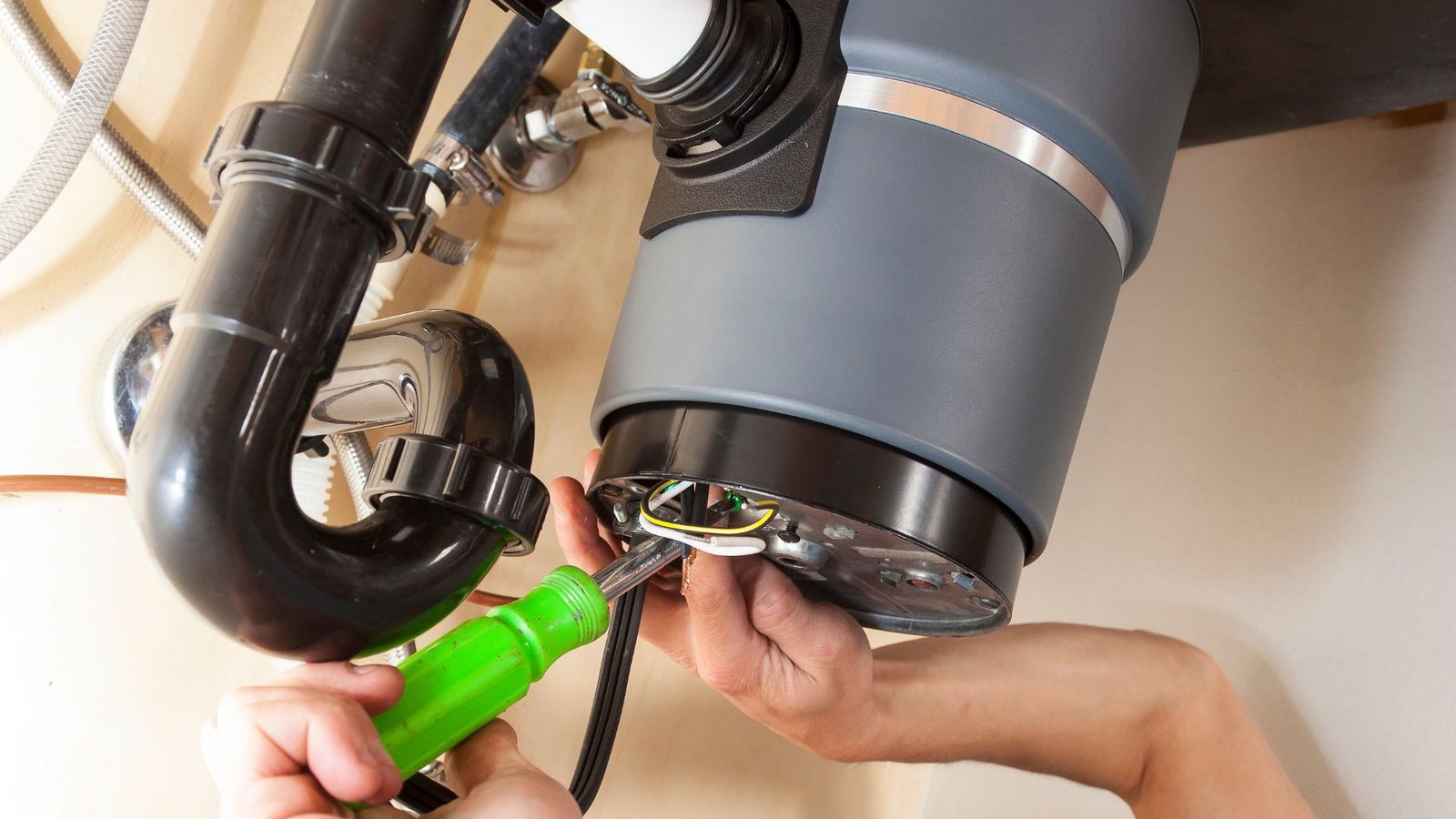
Installing a disposal properly is key so it runs well:
- Remove the existing unit and carefully disconnect plumbing & wiring
- Clean the sink flange thoroughly
- Install and seal a new flange with plumber’s putty (or equivalent)
- Mount the disposal securely to the flange
- Attach drain lines and dishwasher hose (if relevant)
- Wire per code, connect ground, test power
- Run water, test operation, and check for leaks
We handle both repairs and full installations on our Garbage Disposal Repair or Installation page above. 🛠️
Maintenance Tips to Maximize Lifespan
A few smart habits can drastically reduce repair needs:
- Use cold water constantly while grinding and for 10–20 seconds after
- Don’t overfeed the unit—feed small amounts at a time
- Avoid putting these items down the disposal:
- Stringy/fibrous vegetables (celery, corn husks)
- Large bones or pits
- Grease, oil, fat
- Coffee grounds in excess
- Egg shells & nutshells (they can dull blades or clog)
EatingWell+1
- Clean regularly with ice cubes, coarse salt, or citrus peels; deep clean monthly with baking soda + vinegar
The Spruce - Run the unit daily even with little waste to prevent rust and keep O-rings free
The Spruce - Check for leaks under the sink or around the flange
- Listen closely for humming or odd sounds; address them early
By staying proactive, you reduce the chance of needing major garbage disposal repair or installation.
Cost Considerations & When to Replace
Here’s what to expect when comparing repair vs. new unit:
- Repair costs depend on parts (seals, wiring) and labor
- A new disposal (mid-range) plus installation may fall into a broader budget
- If your current unit is repeatedly failing, replacement often gives better ROI
- When you choose a modern unit, you also gain improved performance and quieter operation
(Rates vary depending on model, horsepower, materials, etc.)
Summary & Next Steps
- Match the unit’s horsepower and style to your household needs
- Ensure installation is done carefully to prevent leaks or vibration
- Stick with consistent maintenance to avoid breakdowns
- Stay alert for warning signs (from Post 1) that may call for repair
- When in doubt, choose a reputable provider for repair or installation
Ready to get started? Use our Garbage Disposal Repair or Installation page to request service or learn more. You can also contact us directly to talk over your options.