Introduction
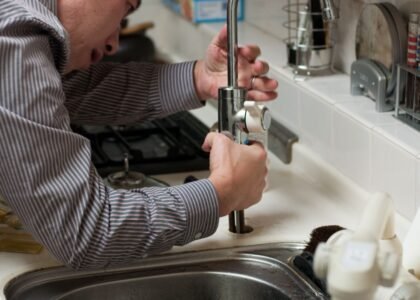
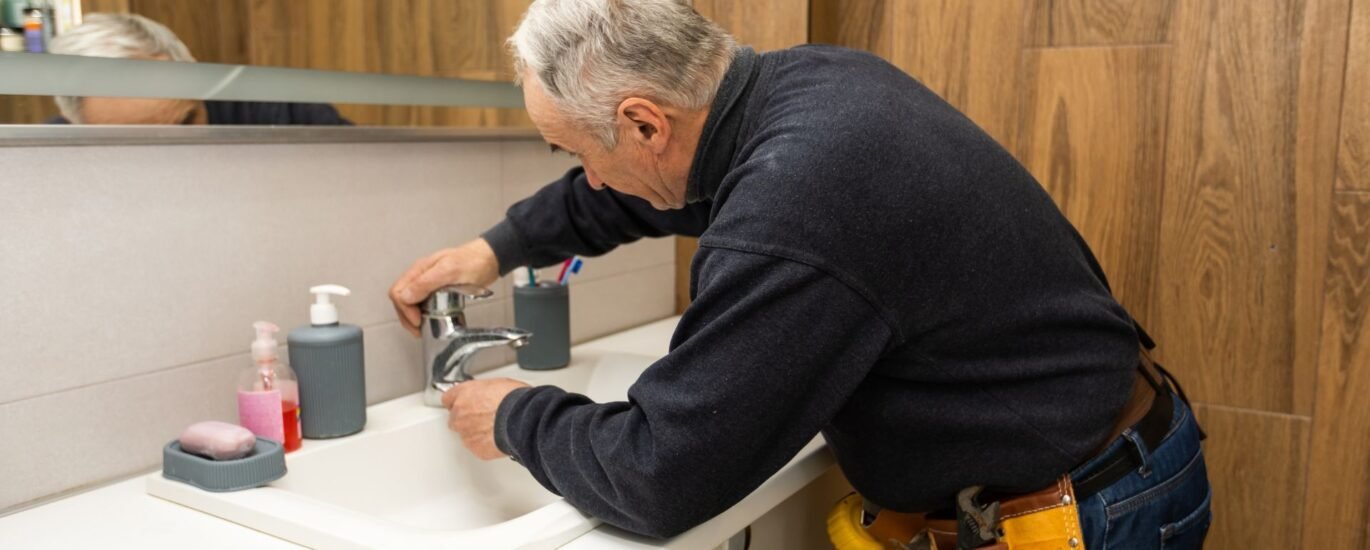
A dripping or malfunctioning faucet isn’t just annoying—it’s a signal that your plumbing system needs attention. Left unchecked, leaks can waste water, damage cabinets, and drive up utility bills. In this guide, we’ll cover common faucet issues, repair vs. replacement decisions, and practical steps you can take to keep your kitchen or bathroom running smoothly.
For professional support, check out our main service page on Fixture Repair or Installation (e.g., faucets, sinks, showers) or reach out through our Contact Us page.
Why Faucets Fail
Faucets are one of the most frequently used fixtures in your home, which makes them prone to wear and tear. Common causes of faucet failure include:
- Worn washers or O-rings that allow water to seep through
- Corrosion inside the faucet body over years of use
- Mineral deposits clogging internal components in hard-water areas
- Loose fittings or parts caused by daily operation
- Cartridge or valve breakdowns in single-handle faucets
Signs It’s Time for Repair or Replacement
Watch for these indicators that your faucet may need attention:
- Constant dripping, even when turned off
- Reduced or uneven water flow
- Stiff or wobbly handles
- Visible rust or staining around the base
- Leaks beneath the sink
Addressing these issues promptly prevents further damage to your plumbing system and cabinets.
Repair vs. Replacement: Which Should You Choose?
When Repair Makes Sense
- The faucet is less than 10 years old
- Replacement parts are readily available
- Only one small component (washer, cartridge, or O-ring) is failing
- You want to preserve the existing look of your sink
When Replacement is Smarter
- The faucet is outdated or discontinued
- Visible corrosion or peeling finish is present
- You’re remodeling your kitchen or bathroom
- Water efficiency is poor compared to newer models
Popular Faucet Styles (and What to Know About Them)
| Faucet Type | Common Issue | Typical Fix |
|---|---|---|
| Compression faucet (two handles) | Worn washers | Replace washers, reseat valves |
| Ball faucet | Leaky seals | Replace springs or O-rings |
| Cartridge faucet | Cartridge failure | Install new cartridge |
| Ceramic disk faucet | Leaky seals | Replace ceramic disk set |
| Pull-down/pull-out faucet | Hose leaks, spray head issues | Replace hose or spray assembly |
Step-by-Step: Replacing a Faucet
If you’re handy with tools, here’s the general process:
- Shut off water supply under the sink.
- Open faucet to release pressure.
- Disconnect supply lines using a wrench.
- Remove mounting nuts under sink.
- Lift out the old faucet, clean surface.
- Position new faucet with gasket/seal.
- Tighten mounting nuts from below.
- Reconnect supply lines with plumber’s tape.
- Turn on water, check for leaks.
If the job feels overwhelming—especially in tight under-sink spaces—it’s best to call in a professional.
Why Upgrade to a New Faucet?
Newer faucets aren’t just stylish; they also bring benefits like:
- Water efficiency (less waste, lower bills)
- Touchless options for hygiene and convenience
- Modern finishes to refresh your bathroom or kitchen
- Durability improvements with better materials
FAQs About Faucet Repair and Installation
Q: Can I fix a dripping faucet myself?
Yes, often by replacing a washer or cartridge. But misdiagnosing the problem can cause more leaks.
Q: How long does replacement take?
Usually less than an hour for a professional.
Q: Do new faucets work with old sinks?
Most do, but hole size and spacing matter—always check compatibility.
Final Thoughts
Your faucet is one of the most used fixtures in your home. Keeping it in top shape saves water, money, and frustration. Whether you repair or replace, doing it right the first time matters.
Learn more about our services on Fixture Repair or Installation (e.g., faucets, sinks, showers) or schedule help via our Contact Us page.